
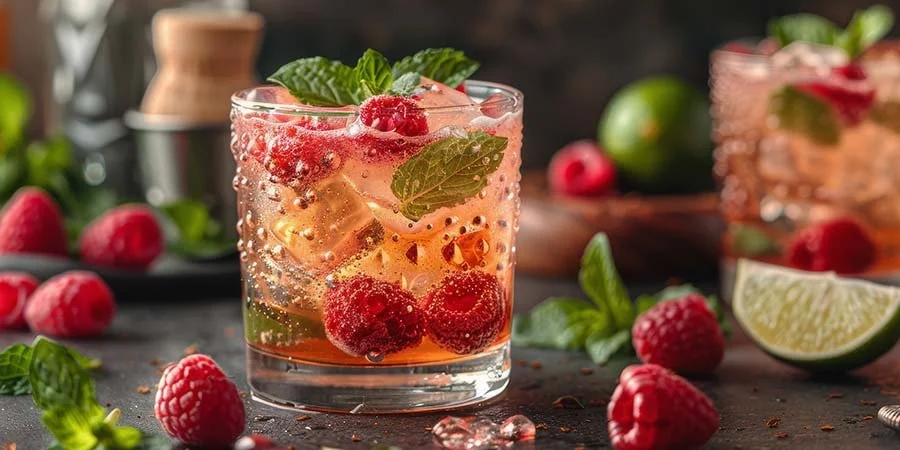
We live in a culture that salutes the glass raised, the toast made, the night that flows into dawn. Alcohol is ever-present: in celebrations, in solace, in routine. But as with many things we accept uncritically, there is a story here that needs more honesty. The story of alcohol’s impact on mental health.
When we choose the drink, the drink chooses us back. It invites us into a complicit pact: “I’ll help you feel better,” it says. “Just this once, just for now.” And we may believe it. For a moment. But behind that invitation is a ledger of cost, of consequence.
Here’s what we know. Here’s what we can do. And here’s how we might choose differently.
What science reveals
Research shows that people who drink alcohol are more likely to develop mental health problems. (Mental Health Foundation) For instance, heavy and hazardous patterns of drinking are linked with lower life satisfaction, increased mental-health complaints and social loneliness. (ScienceDirect)
More precisely: a rapid review from the Canadian Centre on Substance Use and Addiction found clear associations between certain levels and patterns of alcohol consumption and the development of depression, anxiety and suicidal ideation. (CCSA) Another study found that nearly one in five individuals with a current alcohol use disorder (AUD) also has a comorbid anxiety or mood disorder. (ScienceDirect)
The message is not that alcohol automatically causes mental illness, but that it is a significant risk factor and a complicating agent. If your mind is fragile, alcohol may exploit the cracks.
What happens to the brain
Alcohol acts as a depressant on the central nervous system. (American Addiction Centers) It slows brain activity by increasing the effects of gamma-aminobutyric acid (GABA), a neurotransmitter that produces relaxation, while reducing the activity of glutamate, which normally increases alertness and energy. This combination is what creates that familiar sense of calm or ease after a drink. Over time, however, the brain begins to rely on alcohol to maintain that balance, and natural regulation weakens.
Heavy or long-term drinking changes the physical structure of the brain. Studies show that chronic alcohol use can lead to shrinkage in the frontal lobes, the part of the brain responsible for reasoning, judgment, and self-control. (NIH National Institute on Alcohol Abuse and Alcoholism) Damage to this area is associated with impulsivity, poor emotional regulation, and difficulty making sound decisions. Memory and learning centers, particularly the hippocampus, also shrink with prolonged alcohol exposure, increasing the risk of long-term cognitive decline and dementia. (Harvard Health Publishing)
Even moderate drinking can have measurable effects. A large-scale study conducted by the University of Pennsylvania found that consuming an average of just one to two alcoholic drinks per day was linked to noticeable reductions in brain volume. The researchers estimated that going from one drink per day to two was equivalent to the brain aging by about two years. (Nature Communications, 2022)
Alcohol also disrupts communication between neurons. The brain attempts to compensate for the chemical interference by adjusting receptor levels, but when alcohol is removed, these receptors remain imbalanced for a time. This can cause mood swings, irritability, and anxiety during withdrawal, even for casual drinkers. (American Psychological Association)
In simple terms, alcohol asks the brain to trade short-term calm for long-term cost. Each drink offers a brief chemical reprieve, but the tab is paid later in clarity, memory, and emotional stability. Over time, the brain learns to expect that shortcut, and without it, normal balance feels incomplete. This cycle reinforces dependence and clouds the very mental sharpness we rely on to make good choices.
Alcohol may borrow from tomorrow to pay for today’s relief, but the interest it charges is steep: slower thought, duller focus, and reduced emotional resilience. The good news is that the brain is remarkably adaptable. Studies show that even after years of heavy drinking, many structural and functional changes can improve with sustained sobriety and a healthy lifestyle. (Frontiers in Human Neuroscience, 2021) The sooner you stop borrowing, the faster the mind begins to repair what was lost.
The emotion crash
There is a phenomenon sometimes called “hangxiety,” a mix of hangover and anxiety. (Wikipedia) Alcohol initially increases levels of gamma-aminobutyric acid (GABA), the neurotransmitter that slows brain activity and produces calm, while simultaneously lowering glutamate, which typically keeps you alert. This chemical shift feels relaxing at first, but once the alcohol leaves the body, the brain scrambles to restore balance. Glutamate rebounds sharply, cortisol levels rise, and anxiety intensifies. The result is a mental and emotional crash that can last hours or even days. (Harvard Health Publishing)
We feel calmer when we drink, but that calm is temporary. The body perceives alcohol as stress, not relief. As the sedative effects wear off, the nervous system overcompensates, leading to restlessness, irritability, and in some cases, panic. (Verywell Mind) For people prone to anxiety or depression, these post-drinking effects can feel more intense. They may even reinforce the urge to drink again, beginning a loop of temporary escape followed by emotional depletion.
Sleep disruption also plays a major role in this emotional fallout. Alcohol shortens deep and REM sleep stages, both of which are essential for emotional regulation. A study from the Sleep Research Society found that alcohol consumption, even at moderate levels, significantly reduces sleep quality and increases next-day fatigue and irritability. (Sleep Research Society, 2018) Poor sleep and mood swings feed each other, amplifying feelings of stress and sadness.
A 2024 study published in Nature Scientific Reports showed that moderate alcohol consumption (1–4 times per month) was linked to a lower likelihood of depressive symptoms for some people, but heavy drinking per occasion (defined for women as seven or more drinks) was correlated with a higher likelihood of depression. (Nature, 2024) This distinction matters. The mental impact of alcohol depends not just on how often you drink, but how much you consume and how your body metabolizes it.
The takeaway is simple but profound. Alcohol can feel like an emotional cushion in the moment, yet it often steals stability in the hours that follow. The higher the dose, the steeper the crash. Over time, the repeated spikes and drops in brain chemistry make mood regulation harder. The more we use alcohol to calm the mind, the more the mind learns to depend on it.
Fortunately, the cycle is reversible. With fewer drinking episodes and consistent sleep, the brain begins to reset its chemical balance. Within weeks of reduced alcohol intake, many people report clearer thinking, steadier moods, and lower anxiety levels. (American Psychological Association) The calm that follows is slower to arrive but far more sustainable.
The self-medication myth
Many people drink to deal with anxiety, sadness, or trauma. The belief is that alcohol will soothe the unrest. The reality is more insidious. Alcohol might mask symptoms temporarily, but it does little to heal the roots of distress. Indeed, it may worsen them. (The Jed Foundation)
When we drink to escape emotions, we interrupt the natural process of regulation and reflection that the brain relies on to recover from stress. Alcohol suppresses activity in the prefrontal cortex, which governs impulse control and decision-making, and alters levels of serotonin and dopamine—chemicals directly tied to mood. (Harvard Health Publishing, 2021) This temporary relief often gives way to stronger waves of anxiety, irritability, or depression once the effects wear off.
A study from the National Institute on Alcohol Abuse and Alcoholism (NIAAA) found that people who use alcohol to cope with negative emotions experience greater emotional instability and a higher likelihood of developing alcohol dependence. (NIAAA) The body becomes conditioned to expect alcohol as a shortcut to comfort, while emotional resilience weakens. Over time, this avoidance can deepen the very feelings we hoped to escape.
Healing emotional pain requires presence, not numbing. When we allow emotions to surface, even the uncomfortable ones, we create space for understanding and integration. Practices such as mindfulness, journaling, therapy, and movement help process emotion rather than suppress it. Each one strengthens the mind’s natural capacity to self-soothe.
If we drink to escape emotions, their return is guaranteed. The pendulum always swings back. But when we learn to meet those emotions with curiosity instead of avoidance, the swing begins to slow, and balance gradually returns.
The social and psychological ripple
Drinking heavily often isolates people. One Swedish study among students found hazardous alcohol consumption was correlated with more emotional and social loneliness and lower life satisfaction. (ScienceDirect) Loneliness and mental health disorders often travel together. Alcohol may provide temporary belonging, but it may undermine meaningful connection over time.
The illusion of belonging
Alcohol often masquerades as social glue. It softens the edges of self-consciousness, blurs judgment, and creates a fleeting sense of unity. For a few hours, everyone laughs a little louder, leans in a little closer, and the barriers between strangers seem to dissolve. It feels like connection.
But what happens in those moments is not always connection. It is synchrony without depth. The warmth in the room may come more from shared intoxication than from genuine understanding. The laughter is real, but the vulnerability is borrowed.
When alcohol becomes the bridge, the bridge depends on the bottle. You begin to associate ease, openness, and bonding with drinking itself. Over time you might feel awkward or detached in sober settings, unsure how to connect without the familiar buffer. Relationships built in that fog can feel hollow in daylight.
True belonging requires presence. It is the kind of attention and honesty that alcohol often steals. It is found in shared silence, eye contact, and stories told with trembling truth. It is the connection that grows stronger when nothing is numbed.
What begins as a shortcut to closeness can end as a barrier to it. The more we depend on alcohol to connect, the more we weaken the very skills that allow real connection to thrive.
Why this matters more now
We are living in an age of amplified stress: social media fatigue, dislocation, an always-on culture. Drinking is often packaged as the fix. “Drink to forget,” “drink to reward,” “drink to belong.” The signals are pervasive.
But the real fix isn’t in the bottle. The real problem is the pattern: use alcohol to cope rather than connect, to escape rather than engage, to distract rather than understand. And when mental health is already under threat, alcohol can tip the balance.
It matters because this is not a niche issue. It is mainstream. It touches us all: individuals, families, communities. When mental health suffers we all suffer.
What you can do instead
We’ve laid out the problem. Now let’s turn to solutions. The goal is not to shame. The goal is to open possibility. The goal is to invite choice.
1. Mindful awareness of your drinking
Begin with awareness. If you are going to drink, track it. Ask: Why am I drinking? What do I hope will happen? What might happen instead?
Write down your consumption, your mood before, your mood after. Patterns emerge in the ledger of minutes and memories. You may discover that you drink more when stressed, when lonely, when avoiding something. That insight changes everything.
2. Redefine the trigger-response loop
When stress hits, our autopilot often says: Pour a drink. Instead, pause. Choose a response. Walk outside. Breathe. Call a friend. Journal. Connect with your body.
Replacing the drink with an action that fosters connection rather than disconnection builds resilience. One simple rule: when I feel the urge to drink for emotional relief, I will restructure a 5-minute ritual: stand, move, breathe, pour water, check in.
3. Create social rituals without alcohol
We gather. We celebrate. But we do not always need the bottle. Host a walk with friends. Meet over tea. Try creative gatherings where the beverage does not define the moment.
The culture of drinking is strong because it has been woven into nearly every social script. It signals belonging, reward, and relaxation. Yet culture is not fixed. It evolves through the small, repeated choices of people willing to try something different. When one person shows that connection can happen over conversation, creativity, or shared experiences, it quietly gives others permission to do the same.
Meaningful gatherings are not powered by what is poured. They are shaped by presence, laughter, and shared curiosity. When the focus shifts from alcohol to authentic connection, we remember that celebration was never about the drink. It was about being fully there with one another.
4. Choose lower-risk patterns
Research suggests that heavy drinking in quantity per occasion increases depressive symptoms, especially for women. (Nature) Moderation is not a guarantee of immunity, but it changes the equation. It allows the body and mind more stability. It gives the nervous system space to recover and keeps mood fluctuations from becoming as severe. When alcohol is consumed in smaller amounts and less frequently, the brain has a better chance of maintaining balance in serotonin and dopamine levels, which directly affect how we feel.
This does not mean moderate drinking is risk-free. It means the risks are reduced when awareness and restraint are present. The more intentional we become about when and why we drink, the less control alcohol has over our mental state.
5. Invest in wellbeing as a bulletproof alternative
Gratitude. Movement. Meditation. Good sleep. These are not abstract ideas. They are the building blocks of mental resilience. When you invest in them, you strengthen your ability to manage stress, calm your mind, and lift your mood naturally. Each one works quietly but powerfully to reset your emotional balance.
A daily gratitude journal entry can shift your mental environment. It becomes your ritual, a small moment of grounding that reminds you what is steady and good. Over time, this practice rewires your focus. You begin to look for what is right instead of what is missing. That mindset makes it easier to resist the urge to numb discomfort with alcohol. You start to find meaning rather than distraction, peace rather than escape, and a deeper satisfaction that does not depend on anything poured into a glass.
6. Seek help and community
When drinking feels uncontrollable, when mental health is slipping, professional help matters. Therapy, group support, and peer models all help because they provide structure, accountability, and understanding. Talking with a trained professional can uncover the deeper reasons behind the habit, while group settings remind you that you are not alone in the struggle.
Many people who struggle with alcohol also face depression or anxiety. Addressing only one side of that equation often leaves the other untreated, which is why dual care is so important. (NIAAA) Effective recovery usually combines mental health therapy with substance-use treatment, helping people build coping skills, manage emotions, and rebuild trust in themselves. Support networks, both professional and personal, can create a safety net that turns recovery into growth rather than punishment. Healing is not only about stopping the drink. It is about restoring balance to both the mind and the body.
What a healthier rhythm looks like
Imagine this: the workday ends. The familiar impulse to pour a drink appears, but instead, there is a pause. A deep breath. A short walk outside. A few lines written in a gratitude journal. A call to someone who matters. Later, a glass of sparkling water or herbal tea replaces the usual pour. What follows is not deprivation, but presence. The body relaxes. The mind clears. The reward comes from connection, not consumption.
That small decision begins to reshape the nervous system. Choosing calming rituals like writing or breathing activates the parasympathetic nervous system, which lowers heart rate and cortisol levels, restoring balance and calm. (Frontiers in Psychology, 2017) These moments of mindfulness strengthen emotional regulation, a skill alcohol tends to erode. Over time, each intentional choice reinforces a sense of control and reduces the urge to rely on external substances for relief.
The drink does not have to vanish completely. What changes is its meaning. The hold loosens as other rituals take its place. Individuals who replace drinking habits with healthier alternatives like exercise, meditation, or journaling report improved mood, higher self-esteem, and reduced anxiety. (American Journal of Psychiatry, 2020) The shift happens gradually, but it endures.
When alcohol is treated as one option among many, each with its own consequence, a person begins to regain agency. Not every social moment requires a drink to feel comfortable. Not every wave of stress demands escape. Research shows that meaningful social connection, physical activity, and self-reflection are stronger predictors of long-term happiness than alcohol-related socializing. (Harvard Study of Adult Development, 2017)
The world benefits when individuals choose presence over sedation. Clear minds create stronger communities, better relationships, and deeper empathy. The healthier rhythm is not just about what is removed, but about what is restored: awareness, connection, and the quiet joy of being fully awake to one’s own life.
The invitation to change
They are invited to try a small experiment. For one week, they can track their drinking and their mood. At the end of each day, they might ask themselves: How do I feel now? What did I miss when I chose to drink? What did I gain when I chose something else?
They do not need to quit entirely unless that feels right for them. What matters most is choosing intentionally. The question becomes: Am I drinking because I feel alive, or because I do not yet feel alive?
This is the beginning of freedom, of clarity, and of well-being. It is a process of awareness rather than restriction.
Change, however, is not always easy. Alcohol is not a gentle teacher. It can act as a seductively persuasive influence, promising comfort in the moment while borrowing from the clarity of tomorrow. Research shows that alcohol alters dopamine and serotonin pathways in the brain, creating feelings of temporary pleasure and calm that fade quickly, often leading to rebound anxiety and low mood. (Harvard Health Publishing, 2021; American Psychological Association) The body and brain both recognize this imbalance, even when the conscious mind tries to ignore it.
Relationships, energy levels, and overall mental health all respond to these patterns. Excessive drinking can strain social bonds and reduce emotional awareness, while reducing alcohol intake can improve sleep quality, focus, and resilience. (Sleep Research Society, 2018)
They can choose to say yes to presence. They can say yes to rhythm. They can say yes to a version of mental wellness built not on escape but on engagement. This choice is not about deprivation. It is about reclaiming attention, intention, and connection to life as it is.
Mindful Mocktail Recipes for a Clearer Mind
Mindful Citrus Spritz
Sparkling water
2 oz freshly squeezed orange juice
1 oz grapefruit juice
1 tsp honey or agave syrup
A few mint leaves
Citrus aromas like orange and grapefruit have been shown to improve alertness and reduce anxiety. (Frontiers in Behavioral Neuroscience, 2017) The combination of vitamin C and hydration supports the same serotonin pathways that alcohol temporarily alters.
Lavender Calm Cooler
8 oz chilled chamomile tea
½ tsp culinary lavender
½ oz lemon juice
1 tsp honey
Chamomile and lavender both have mild sedative and anxiolytic properties that promote calm and better sleep. (Phytomedicine, 2010) This drink encourages relaxation without sedation, making it ideal for unwinding in the evening.
Ginger Lime Spark
6 oz sparkling water
1 oz lime juice
½ oz honey or simple syrup
1 tsp grated fresh ginger
Lime wheel for garnish
Ginger has well-documented anti-inflammatory and gut-regulating effects. (Journal of Ethnopharmacology, 2011) Supporting gut health can improve mood regulation, since about 90% of serotonin is produced in the gastrointestinal tract.
Blueberry Basil Refresher
½ cup muddled blueberries
6 oz sparkling water
1 oz lime juice
3–4 basil leaves
Optional: splash of coconut water
Blueberries are rich in anthocyanins, compounds linked to improved memory and reduced depressive symptoms. (Nutrients, 2019) Basil adds aroma and mild adaptogenic effects that reduce stress.
Cucumber Mint Hydrator
8 oz cucumber-infused water
1 oz lime juice
Fresh mint
Ice cubes
Hydration alone can significantly impact mood and energy. Even mild dehydration has been linked to lower cognitive performance and increased fatigue. (Journal of Nutrition, 2012) This simple mix is restorative and grounding, a reset for both body and mind.